
There’s a certain kind of relationship people have with their Chevrolets. It’s rarely dramatic. More like a long marriage. Some good years, some annoying ones, and a lot of shared history in between. You don’t usually fall in love with a Chevy the way you might with an Italian sports car or a vintage Porsche. You grow into it. You rely on it. And sometimes, yeah, it tests your patience in very specific, very Chevrolet ways.
I’ve spent enough time around these cars—driving them, fixing them, listening to owners vent in parking lots—to notice a pattern. Not a neat one. More likSet featured imagee recurring themes that show up across models and years. Not deal-breakers, usually. Just the kind of problems that make you sigh, grab your coffee, and say, “Of course it’s doing that now.”
Let’s talk about those. And more importantly, what actually helps.
Transmission quirks that feel personal
If you’ve owned certain Chevrolet models long enough, especially midsize sedans or SUVs from the past decade or so, you’ve probably felt that shift. The one that isn’t smooth, isn’t catastrophic either, but feels like the car briefly forgot how to be a car. A hesitation. A shudder. A moment where you think, “Was that me, or…?”
It’s rarely you.
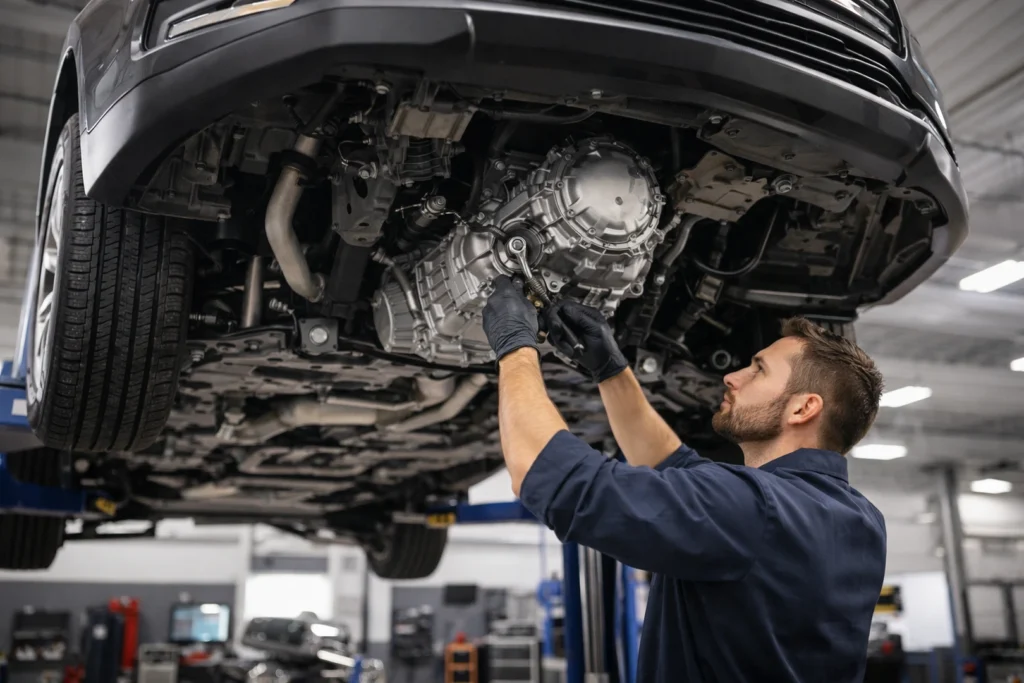
A lot of Chevy automatic transmissions—particularly six- and eight-speed units—develop behavior that feels inconsistent. Not broken. Just off. Sometimes it shows up as a hard downshift at low speeds. Other times it’s a vibration when cruising, like you’re driving over faint rumble strips that don’t actually exist.
The fix, when it works, often feels anticlimactic. Updated transmission fluid. A software reflash. Occasionally a torque converter replacement if things have gone too far. What matters is catching it early. Letting it “ride” rarely makes it better. It just makes the repair more expensive and the trust harder to rebuild.
And yes, it’s frustrating that a modern transmission can be so sensitive. But once addressed properly, many of them calm down and stay that way. Not perfect. Just livable again.
Electrical gremlins with a sense of humor
Chevrolets have a long, strange relationship with electronics. The engines themselves are usually stout. The problems tend to live in the margins. The places you don’t think to look until something weird happens.
A radio that freezes mid-song. Warning lights that pop on, then disappear like they got embarrassed. Power windows that refuse to cooperate on humid days but behave perfectly when a mechanic looks at them.
Most of the time, the culprit isn’t some catastrophic failure. It’s a ground connection. A sensor. A software glitch that didn’t age well. The solution is rarely dramatic, but it does require patience—and sometimes a technician who knows Chevrolets well enough to trust instinct over the scan tool alone.
The hardest part isn’t fixing the issue. It’s diagnosing it without replacing half the car first. When done right, though, electrical problems usually stay fixed. When done wrong, they become legends you tell other Chevy owners like campfire stories.
Engine oil consumption that sneaks up on you
This one doesn’t announce itself loudly. No puddles. No smoke clouds. Just a dipstick that keeps telling a quiet, uncomfortable truth.
Some Chevrolet engines—especially certain four-cylinder and V6 designs—have a habit of using oil faster than expected. Not leaking it. Burning it, slowly and consistently. If you’re the kind of driver who checks oil every few months, you might miss it until the low-oil light finally intervenes.
The solution depends on how early you catch it. More frequent oil changes help. Using the correct oil weight matters more than people think. In more stubborn cases, updated PCV components or piston ring work may be required. Not cheap, but not mysterious either.
The key lesson here is attention. These engines often last a long time if they’re kept topped off. Neglect them, and they’ll punish you quietly before they ever get loud.
Suspension noises that sound worse than they are
Chevrolets, especially SUVs and crossovers, have a particular talent for developing front-end noises that sound catastrophic. Clunks over bumps. Pops when turning. Groans that feel… judgmental.
Most of the time, it’s worn bushings. Sway bar links. Strut mounts that have simply lived their life and would like to retire now. None of it glamorous. None of it rare.
The fix is usually straightforward, though sometimes annoyingly piecemeal. Replace one component and another decides it’s next. The good news is that once refreshed, Chevy suspensions tend to settle back into their old, comfortable rhythm. Quiet. Predictable. Almost boring, in a good way.
Interior wear that tells the truth
This is where Chevrolets can feel a little too honest.
Seat bolsters crack. Dash materials fade. Door handles loosen. Not everywhere, not always, but often enough that you notice. Especially if you’re coming from a brand that obsesses over interior longevity.
There’s no single fix here. Some owners reupholster. Others use covers and learn to love the patina. And honestly? There’s something kind of grounding about an interior that shows its age. It reminds you the car has been used. Lived in. Trusted.
If it bothers you, aftermarket solutions exist. If it doesn’t, Chevrolet interiors age like denim—less polished, more personal.
Cooling system issues that arrive without drama
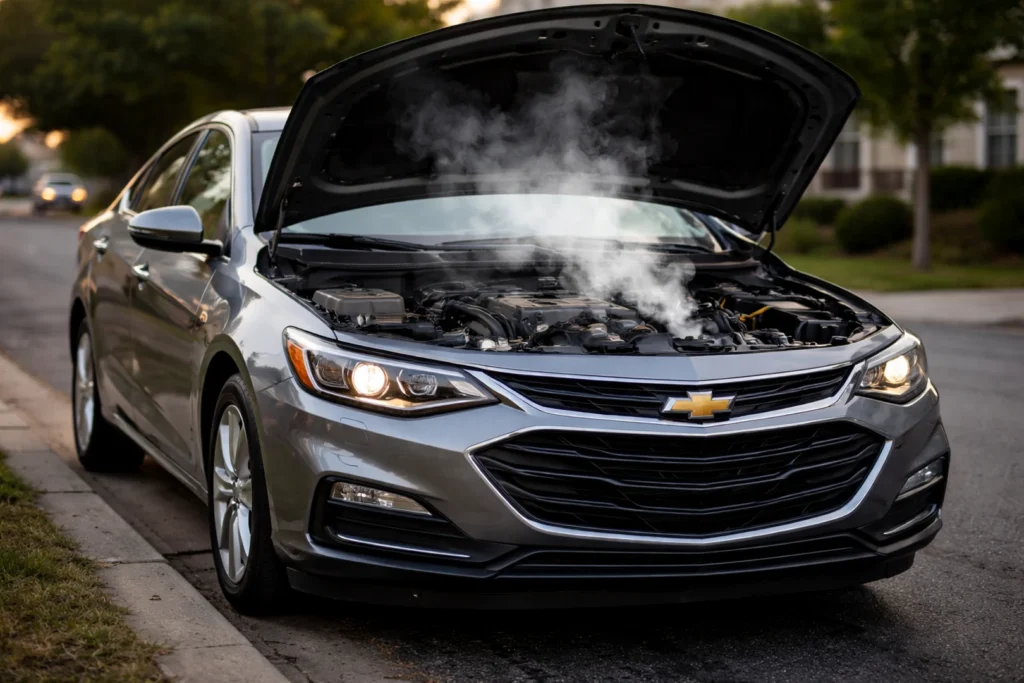
When a Chevy cooling system starts acting up, it’s rarely theatrical. No steam geysers. No roadside breakdowns worthy of a movie scene. Instead, the temperature gauge creeps a little higher than usual. The heater feels inconsistent. The coolant reservoir seems suspiciously low.
Often, it’s a water pump beginning to seep. Or a thermostat housing that’s had enough of heat cycles. Fixing it early keeps things simple. Waiting turns a small leak into a larger conversation.
Chevrolet engines generally handle heat well—as long as the system doing the cooling is allowed to do its job.
So… are Chevrolets unreliable?
That’s the wrong question. A better one is: Are they honest?
Chevrolets don’t usually fail in exotic ways. Their problems are familiar. Mechanical. Repetitive. They show you what they need if you’re paying attention. And if you respond early, they tend to forgive easily.
They’re not flawless. No car is. But they’re fixable. Understandable. And, in a strange way, kind of loyal once you learn their language.
You don’t own a Chevy expecting perfection. You own it because when something goes wrong, the solution usually exists, somewhere between common sense and a decent mechanic.
And sometimes, that’s enough.