
The Personality Behind Dodge Engineering
Dodge vehicles are designed with performance in mind. Even their everyday models carry a certain muscle-car DNA. That’s exciting, sure—but performance-oriented engineering sometimes brings extra wear on components.
More power means more stress on engines, transmissions, and braking systems. It’s not a flaw exactly. It’s more like a trade-off. You get thrilling performance, but you also need to stay on top of maintenance.
A good repair manual becomes less of an optional guide and more of a companion. It’s the thing you flip through on a Sunday afternoon while trying to understand a strange noise under the hood. And honestly, having a service manual nearby often gives you a sense of control—even if you never actually pick up a wrench.
Engine Troubles That Show Up Over Time
If there’s one thing Dodge owners talk about often, it’s engine-related issues. Not catastrophic failures, necessarily—just recurring quirks that seem to appear with age.
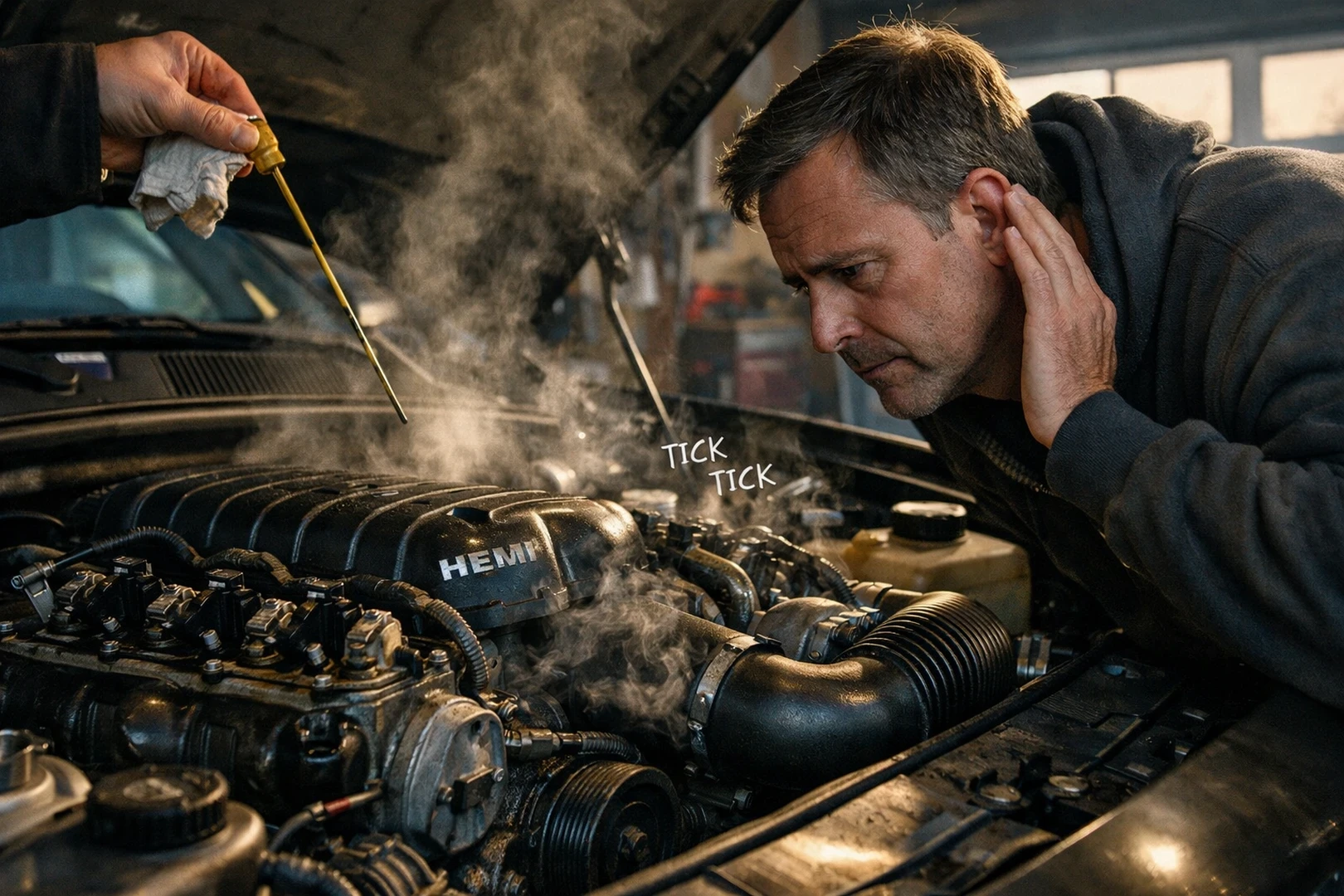
The infamous “ticking” sound is one example. Some Dodge engines, particularly HEMI models, develop a ticking noise after years of use. Sometimes it’s lifter wear. Sometimes it’s exhaust manifold bolts. Sometimes… it’s hard to tell. That uncertainty can be frustrating.
You might hear it first during a cold start. A quick tick-tick-tick that makes you pause with your hand still on the key. It doesn’t always mean disaster, but ignoring it rarely helps.
Oil consumption is another common problem car owners notice with certain Dodge models. The engine seems to drink oil faster than expected, especially if maintenance intervals stretch too long. Keeping a close eye on oil levels becomes a habit rather than an occasional check.
A service manual usually explains recommended oil types and change intervals, but real-world experience often suggests checking more frequently than the book says. The manual gives guidance; experience fills in the gaps.
Transmission Issues That Sneak Up Slowly
Transmission problems rarely announce themselves loudly at first. They creep in quietly.
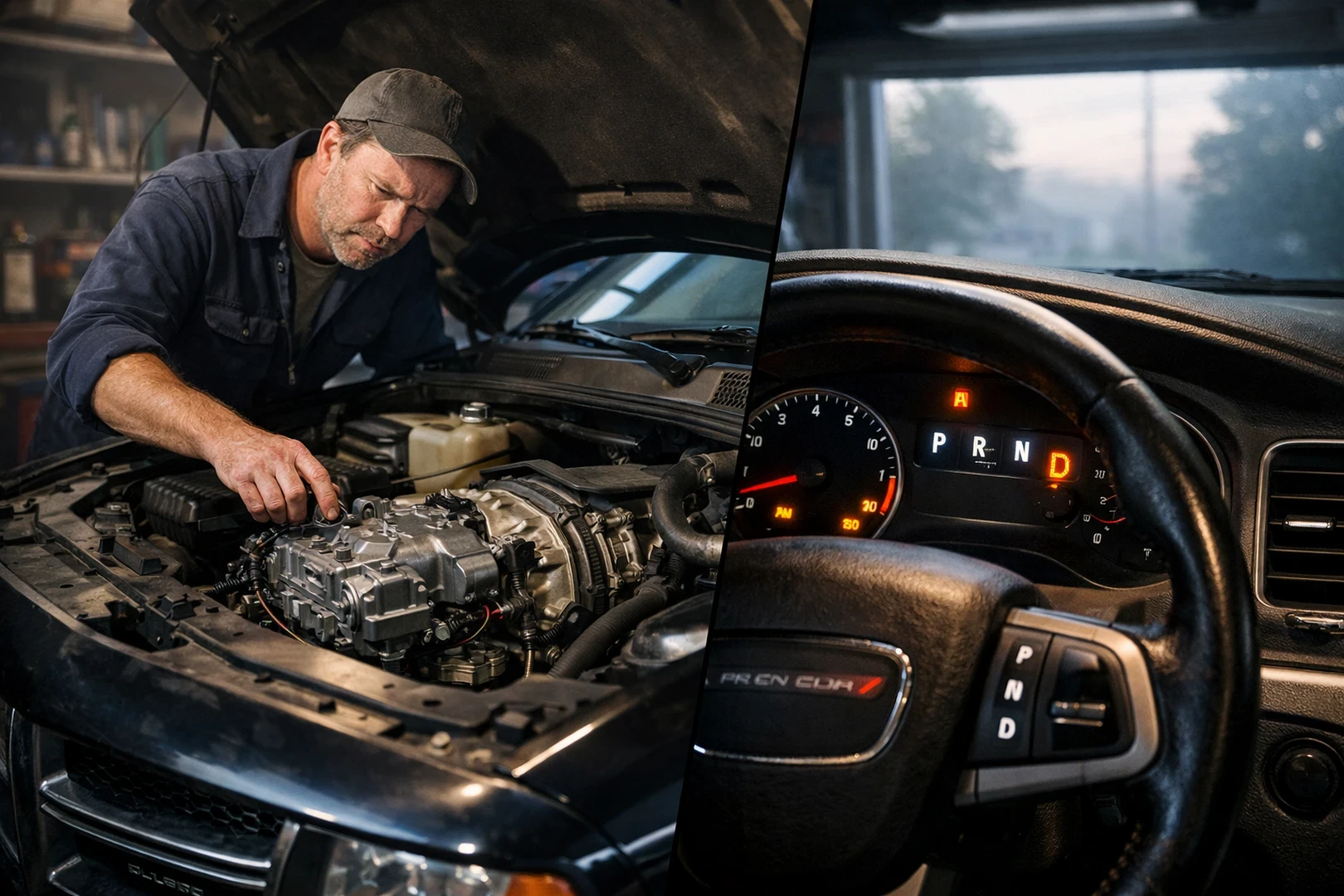
A slight hesitation when shifting. A delayed response at a traffic light. A subtle jerk that makes you wonder if you imagined it.
Some Dodge models—especially older ones—develop transmission slipping or rough shifting over time. It’s often linked to fluid condition or software calibration issues. The thing is, transmission fluid changes tend to be overlooked. People forget. Life gets busy.
Then one day, the car doesn’t shift the way it used to.
That’s when many owners finally open the repair manual or schedule a service visit. And usually, they wish they’d acted sooner.
Routine transmission maintenance might not feel urgent, but with Dodge vehicles, it’s one of those small actions that prevents large, expensive problems.
Electrical Gremlins (Yes, They Exist)
Modern cars rely heavily on electronics, and Dodge vehicles are no exception. With that complexity comes the occasional electrical quirk.
Dashboard warning lights sometimes appear unexpectedly. Power windows may stop working temporarily. Infotainment systems freeze or reset without warning. These issues rarely strand you on the road, but they can test your patience.
Electrical problems are particularly tricky because they don’t always follow clear patterns. One day everything works perfectly. The next day, something doesn’t.
A service manual becomes extremely helpful here, helping locate fuse diagrams, wiring layouts, and troubleshooting steps. Without it, diagnosing electrical issues feels like guessing in the dark.
I once knew someone who drove for months with a random warning light simply because it would disappear whenever they visited a mechanic. Eventually, it turned out to be a minor sensor issue—but the stress of uncertainty was worse than the problem itself.
Cars shouldn’t make you anxious. Understanding them helps.
Brake Wear and Suspension Concerns
Dodge vehicles—especially performance models—tend to be heavier and more powerful than average sedans. That weight and power translate into faster brake wear.
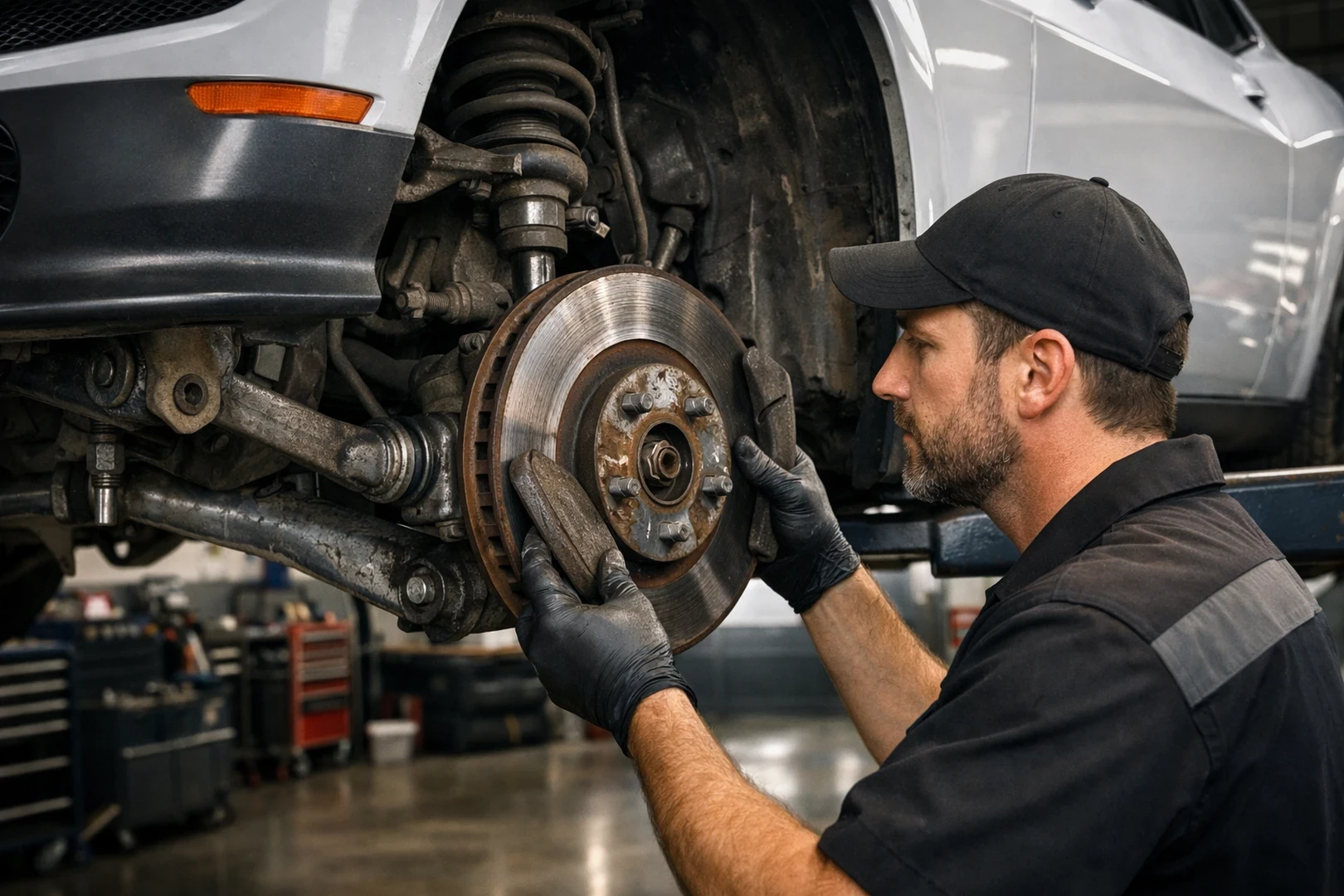
Brake pads may need replacement sooner than expected. Rotors sometimes warp if the car is driven aggressively or if cheaper replacement parts are used. You might notice vibration when braking, or a subtle pulling sensation.
Suspension components also take a beating over time. Control arms, bushings, and ball joints can wear faster depending on driving conditions. Rough roads accelerate the process.
None of this is unusual for performance-oriented vehicles, but staying aware matters. The repair manual often outlines inspection intervals, though many experienced owners rely just as much on how the car feels. A change in steering response or ride comfort often tells the story before any official inspection does.
Cooling System Challenges
Overheating issues appear occasionally in some Dodge models, particularly as vehicles age. Radiator leaks, thermostat failures, and water pump wear are common culprits.
Cooling system maintenance tends to be ignored because everything works fine—until suddenly it doesn’t.
You might notice temperature fluctuations in traffic or a faint sweet smell from coolant leaks. These small signals shouldn’t be dismissed. Engines that run hot suffer long-term damage if problems persist.
Regular coolant checks and flushes, as recommended in the service manual, can prevent major repairs. It’s simple maintenance, but easy to forget.
The Importance of Routine Maintenance (Even When Nothing Seems Wrong)
Here’s the truth many car owners learn too late: waiting for a problem to appear usually costs more than preventing it.
Routine oil changes, filter replacements, fluid checks, and scheduled inspections keep Dodge vehicles running smoothly. Skipping them often leads to what people later describe as a “common problem car,” even though the issue may have been preventable.
Maintenance isn’t glamorous. It’s repetitive. Sometimes boring.
But it’s also the difference between a car that lasts ten years and one that struggles after five.
A good service manual acts like a long-term roadmap. It reminds you what needs attention and when. Even if you rely on professional mechanics, knowing the schedule helps you stay informed.
Why Dodge Owners Benefit from a Repair Manual
There’s something reassuring about having a repair manual on hand. It doesn’t mean you plan to fix everything yourself. It just means you want to understand what’s happening.
Understanding builds confidence. It helps you communicate better with mechanics. It prevents unnecessary repairs. It reduces that uneasy feeling when someone explains a complex issue using technical language.
And sometimes, surprisingly, you discover that small fixes are manageable on your own—replacing filters, checking fluids, or diagnosing simple issues.
The manual doesn’t just teach repairs. It builds a sense of partnership between you and your vehicle.
Real Ownership Isn’t Perfect—and That’s Okay
Owning a Dodge isn’t always smooth. There are moments of frustration, unexpected repair bills, and strange mechanical noises that make you listen closely while parked in silence.
But there’s also something deeply satisfying about maintaining a car with character.
You learn its habits. You recognize its sounds. You anticipate its needs. Over time, maintenance stops feeling like a burden and starts feeling like care.
I sometimes think cars reflect how we treat them. Ignore small issues and they grow. Pay attention and they reward you with reliability.
Dodge vehicles, in particular, seem to respond to attention.
Final Thoughts: Living with a Dodge Long-Term
If you own a Dodge—or you’re thinking about buying one—know this: maintenance matters more than brand reputation, more than online reviews, more than stories you hear from strangers.
Every vehicle develops issues eventually. What defines the ownership experience is how those issues are handled.
Stay curious about your car. Keep a service manual nearby. Learn from a repair manual. Watch for early signs of wear. Accept that every common problem car usually starts as a small, manageable concern.
And maybe, just maybe, enjoy the process a little.
Because at the end of the day, a well-maintained Dodge doesn’t just take you places. It tells a story—of power, persistence, and the quiet bond between driver and machine.