
Volkswagen Car Common Problems and Solutions
Volkswagen cars are known worldwide for their solid build quality, refined driving experience, and German engineering. Models like the Golf, Passat, Jetta, Tiguan, and Polo have earned loyal fans thanks to their performance, safety features, and stylish design. However, like any vehicle brand, Volkswagen cars are not free from issues. Over time, owners may experience certain mechanical, electrical, or software-related problems.
Understanding common Volkswagen car problems and their solutions can save you money, prevent breakdowns, and extend the life of your vehicle. This detailed guide covers the most frequently reported Volkswagen issues, how to identify them early, and what you can do to fix or prevent them.
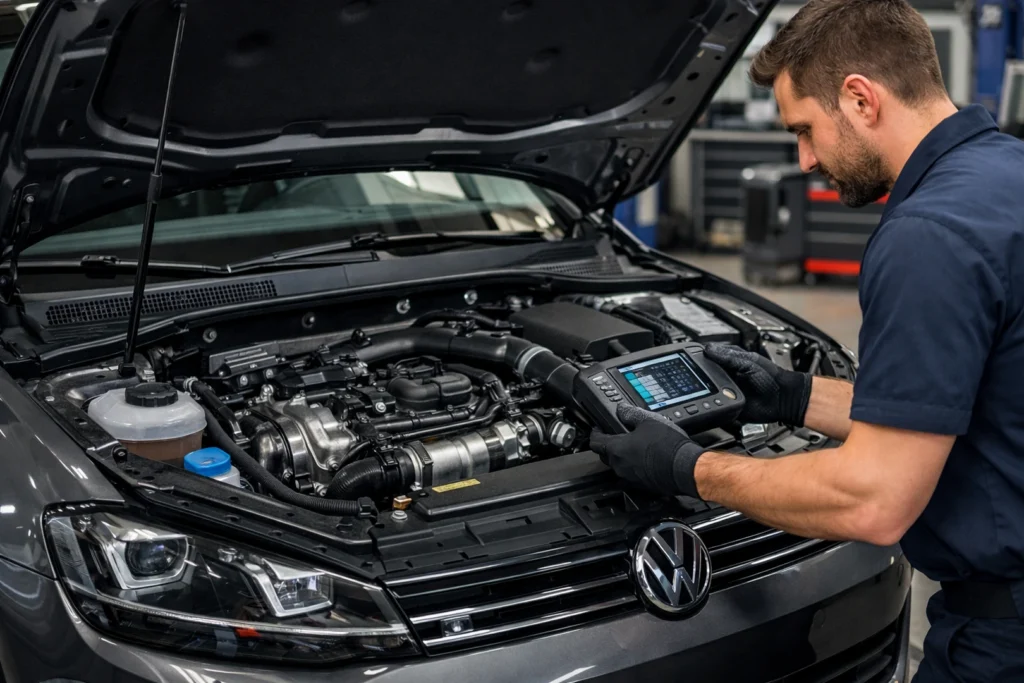
1. Engine Problems in Volkswagen Cars
Common Symptoms
-
Engine misfires
-
Rough idling
-
Reduced power
-
Engine warning light turning on
Causes
Volkswagen engines, especially turbocharged petrol (TSI) and diesel (TDI) variants, can suffer from issues such as:
-
Carbon buildup on intake valves
-
Faulty ignition coils
-
Worn spark plugs
-
Oil sludge due to delayed oil changes
Solutions
-
Regular servicing using manufacturer-recommended oil
-
Replace spark plugs and ignition coils at scheduled intervals
-
Use high-quality fuel to reduce carbon buildup
-
Periodic intake valve cleaning for direct-injection engines
Preventive Tip: Stick to shorter oil change intervals than the minimum suggested to keep the engine clean and well-lubricated.
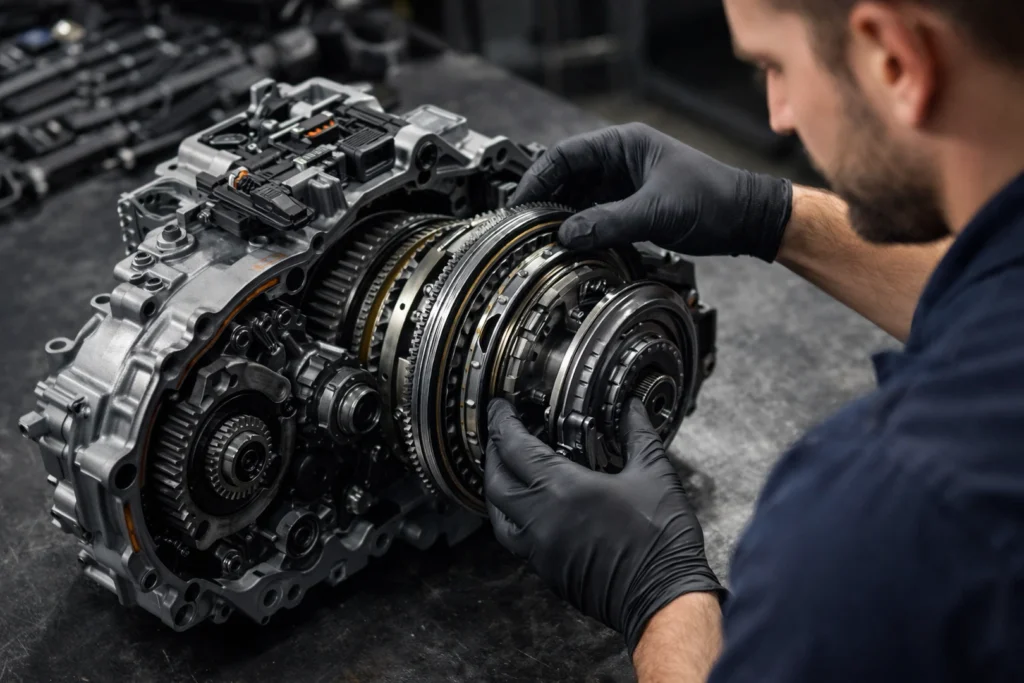
2. Transmission Issues (Manual & DSG)
Common Symptoms
-
Jerky gear shifts
-
Delayed acceleration
-
Transmission warning light
-
Shuddering at low speeds
Causes
Volkswagen’s DSG (dual-clutch) transmission offers smooth and fast gear changes but is known for:
-
Mechatronic unit failure
-
Worn clutch packs
-
Software glitches
Manual transmissions may experience clutch wear earlier than expected in city driving conditions.
Solutions
-
Regular DSG fluid and filter changes
-
Software updates from authorized service centers
-
Replace worn clutch components when symptoms appear
-
Avoid aggressive stop-and-go driving
Preventive Tip: Gentle driving and timely transmission servicing significantly improve DSG lifespan.
3. Electrical and Electronics Problems
Common Symptoms
-
Power windows not working
-
Central locking failure
-
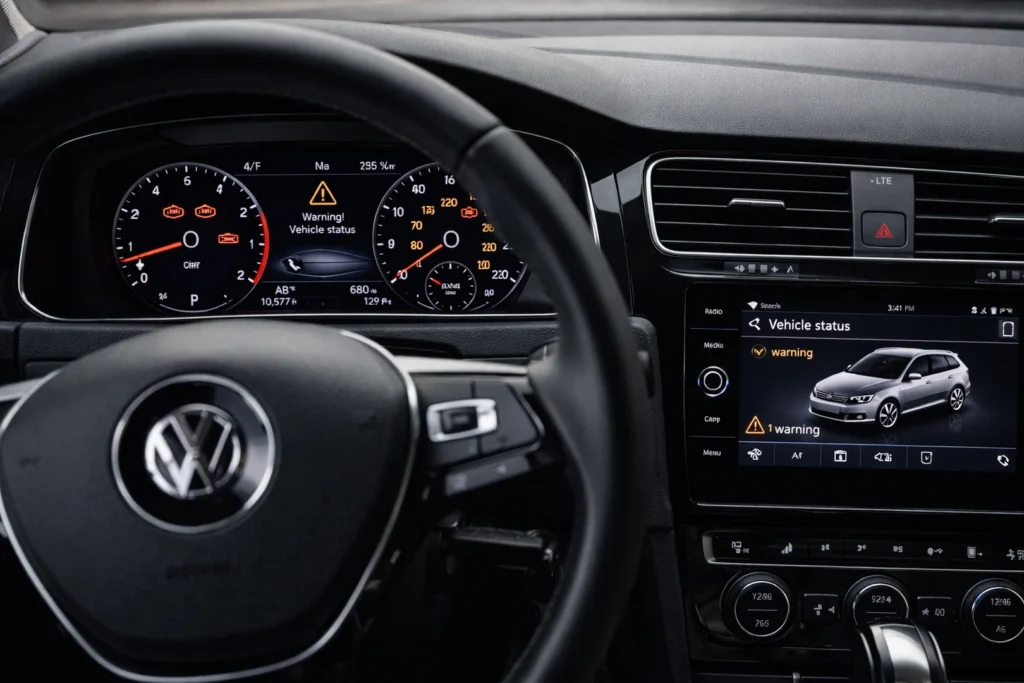
Dashboard warning lights
-
Infotainment system freezing or rebooting
Causes
Modern Volkswagen vehicles rely heavily on electronics, which can lead to:
-
Faulty sensors
-
Weak batteries
-
Software bugs
-
Wiring or module failures
Solutions
-
Battery testing and replacement when voltage drops
-
Software updates for infotainment and control modules
-
Diagnostic scanning to identify faulty sensors
-
Replace malfunctioning switches or control units
Preventive Tip: Avoid aftermarket electrical modifications that can interfere with factory wiring.
4. Timing Chain and Timing Belt Issues
Common Symptoms
-
Rattling noise from engine
-
Engine misfire
-
Check engine light
-
Engine failure in severe cases
Causes
Some Volkswagen engines are known for timing chain tensioner problems, especially in older models. Timing belts can also fail if not replaced on schedule.
Solutions
-
Replace timing belt at manufacturer-recommended intervals
-
Inspect timing chain tensioner during major services
-
Address unusual engine noises immediately
Preventive Tip: Never ignore engine rattling sounds during startup.
5. Oil Consumption Problems
Common Symptoms
-
Frequent low oil warnings
-
Need for regular oil top-ups
-
Blue smoke from exhaust
Causes
Certain Volkswagen engines consume more oil due to:
-
Worn piston rings
-
Valve seal wear
-
Turbocharger oil leakage
Solutions
-
Monitor oil levels regularly
-
Use the correct oil grade
-
Engine inspection if oil consumption becomes excessive
-
Repair or replace worn internal components if necessary
Preventive Tip: Early detection prevents costly engine rebuilds.
6. Cooling System Failures
Common Symptoms
-
Engine overheating
-
Coolant leaks
-
Sweet smell from engine bay
-
Temperature warning light
Causes
Volkswagen cooling systems may face:
-
Failing water pumps (especially plastic impellers)
-
Cracked coolant reservoirs
-
Thermostat failures
Solutions
-
Replace faulty water pumps promptly
-
Regular coolant level checks
-
Use manufacturer-approved coolant
-
Inspect hoses for leaks or cracks
Preventive Tip: Never mix different coolant types.
7. Suspension and Steering Problems
Common Symptoms
-
Clunking noises
-
Uneven tire wear
-
Poor handling
-
Steering vibration
Causes
-
Worn control arm bushings
-
Failing ball joints
-
Shock absorber wear
-
Alignment issues
Solutions
-
Replace worn suspension components
-
Wheel alignment after suspension repairs
-
Use quality replacement parts
Preventive Tip: Avoid potholes and rough driving whenever possible.
8. Brake System Issues
Common Symptoms
-
Squealing or grinding noises
-
Soft brake pedal
-
Reduced braking performance
Causes
-
Worn brake pads or rotors
-
Faulty ABS sensors
-
Brake fluid contamination
Solutions
-
Timely brake pad and rotor replacement
-
Brake fluid flush as recommended
-
ABS diagnostic scan if warning light appears
Preventive Tip: Do not delay brake servicing—safety comes first.
9. Turbocharger Problems
Common Symptoms
-
Loss of power
-
Whining noise
-
Excessive exhaust smoke
-
Engine warning light
Causes
-
Oil starvation
-
Dirty oil
-
Excessive heat
-
Aggressive driving habits
Solutions
-
Allow engine warm-up and cool-down
-
Frequent oil changes
-
Turbo inspection if performance drops
-
Replace damaged turbo components
Preventive Tip: Avoid shutting off the engine immediately after high-speed driving.
10. Interior and Build Quality Issues
Common Symptoms
-
Peeling interior trims
-
Seat adjustment failures
-
Climate control malfunction
Causes
-
Wear and tear
-
Electronic actuator failures
-
Climate control sensor issues
Solutions
-
Replace worn trim components
-
Repair or recalibrate climate control systems
-
Address minor interior issues early
Volkswagen Maintenance Tips for Long-Term Reliability
-
Follow a strict maintenance schedule
-
Use genuine or OEM-quality parts
-
Update vehicle software when available
-
Address warning lights immediately
-
Keep service records organized
Proper maintenance significantly reduces most Volkswagen car problems.
Frequently Asked Questions (FAQs)
1. Are Volkswagen cars reliable?
Volkswagen cars are reliable when properly maintained. Most issues arise due to delayed servicing or ignoring early warning signs.
2. What is the most common Volkswagen problem?
Common problems include DSG transmission issues, electrical faults, oil consumption, and timing system concerns.
3. Are Volkswagen repairs expensive?
Volkswagen repairs can be moderately expensive compared to some brands, but preventive maintenance helps reduce major repair costs.
4. How long do Volkswagen engines last?
With proper care, Volkswagen engines can easily last 200,000 miles or more.
5. Is the DSG transmission reliable?
Yes, but it requires regular servicing and smooth driving habits to remain reliable long-term.
6. Why does my Volkswagen consume oil?
Oil consumption may be due to engine design, worn internal components, or turbocharger issues.
7. Can I service my Volkswagen at an independent garage?
Yes, as long as the garage specializes in European vehicles and uses correct diagnostic tools and parts.
8. How often should I service my Volkswagen?
Ideally every 8,000–10,000 miles or once a year, whichever comes first.
Final Thoughts
Volkswagen vehicles offer comfort, performance, and advanced technology, but like all cars, they require attentive care. By understanding common Volkswagen car problems and solutions, owners can make informed decisions, reduce repair costs, and enjoy a smoother driving experience.
Regular maintenance, timely diagnostics, and responsible driving habits are the keys to keeping your Volkswagen running reliably for years to come.