
Toyota Cars: Common Issues and Essential Maintenance Guide
Toyota cars are known worldwide for reliability, fuel efficiency, and long-term value. That said, no car is completely problem-free. Understanding common Toyota issues—and how to maintain your vehicle properly—can help you avoid costly repairs and keep your car running smoothly for years.
Common Issues in Toyota Cars
1. Engine Oil Consumption
Some Toyota models, especially older ones, may experience excessive oil consumption due to worn piston rings or aging engine components.>

Symptoms:
- Low oil levels between services
- Blue exhaust smoke
- Engine warning light
Prevention Tip:
Check engine oil every 1,000 miles and use the manufacturer-recommended oil grade.
2. Transmission Issues
While Toyota transmissions are generally reliable, some owners report rough shifting or delayed gear engagement, especially in high-mileage vehicles.
Symptoms:
- Slipping gears
- Delayed acceleration
- Unusual noises when shifting
Prevention Tip:
Change transmission fluid at recommended intervals—even if labeled “lifetime fluid.”
3. Brake System Wear
Brake pads and rotors can wear faster depending on driving conditions and habits.

Symptoms:
- Squealing or grinding noises
- Reduced braking performance
- Steering wheel vibration
Prevention Tip:
Inspect brakes every 10,000–15,000 miles and replace parts early to avoid rotor damage.
4. Electrical and Sensor Problems
Some Toyota models experience faulty sensors, such as oxygen sensors or mass airflow sensors.
Symptoms:
- Check engine light
- Poor fuel economy
- Engine hesitation
Prevention Tip:
Address dashboard warning lights quickly to prevent cascading issues.
5. Suspension and Steering Wear
Bushings, struts, and control arms may wear over time—especially on rough roads.
Symptoms:
- Uneven tire wear
- Clunking noises
- Loose steering feel
Prevention Tip:
Have suspension components inspected during routine servicing.
Essential Toyota Maintenance Tips
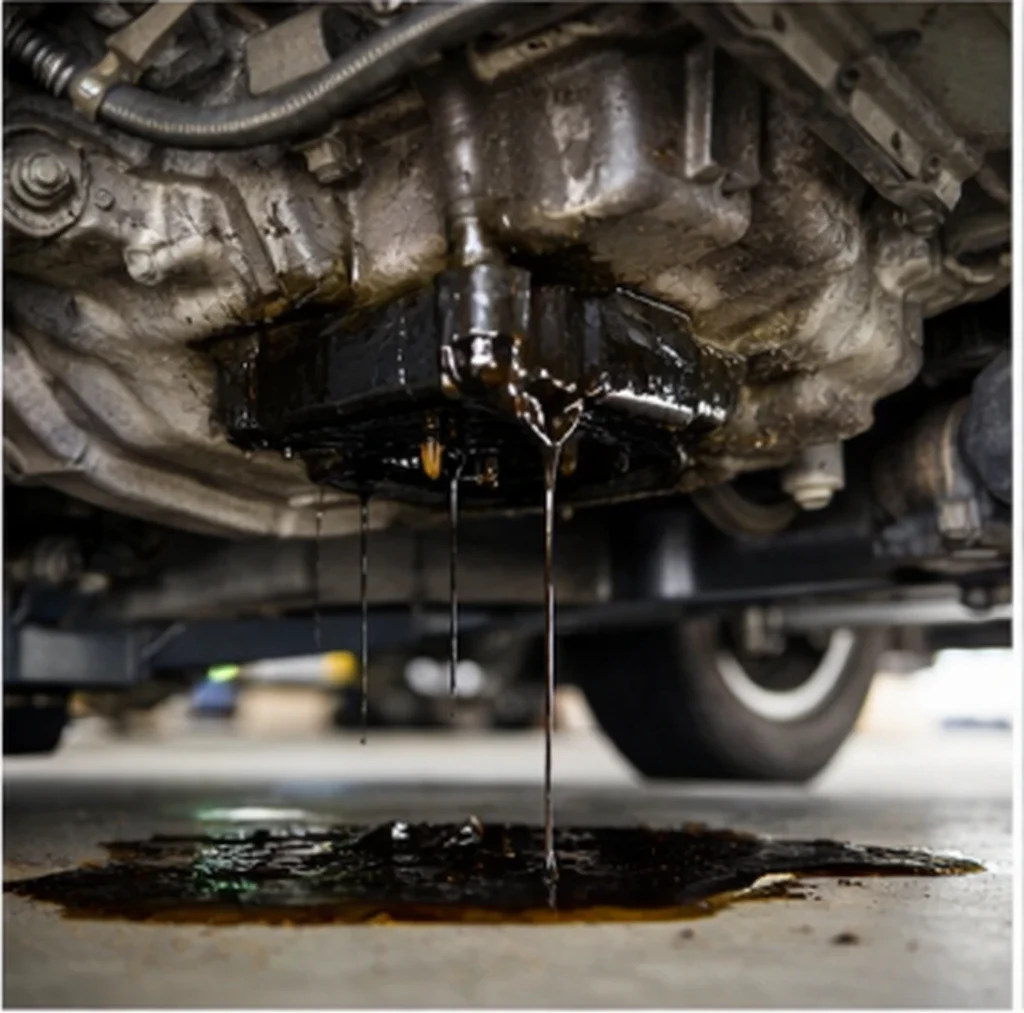
Regular Oil Changes
- Every 5,000–7,500 miles, depending on oil type
- Protects engine longevity and performance
Tire Rotation & Alignment
- Rotate tires every 5,000–6,000 miles
- Ensures even wear and better fuel efficiency
Fluid Checks
Regularly inspect:
- Coolant
- Brake fluid
- Transmission fluid
- Power steering fluid
Battery & Electrical System
- Test battery annually
- Clean terminals to prevent corrosion
Follow the Maintenance Schedule
Toyota’s factory maintenance schedule is designed to prevent issues before they start—stick to it.
Final Thoughts
Toyota cars are among the most dependable vehicles on the road, but proper maintenance is the key to longevity. By staying proactive with servicing and addressing common issues early, you can enjoy a smooth, reliable driving experience well past 200,000 miles.