
There’s a certain kind of car that quietly becomes part of your daily life. Not exciting. Not dramatic. Just steady. The 2012 Honda Civic is exactly that kind of car.
You don’t really think about it much — until something small starts feeling off. A weird pause when accelerating. A noise that wasn’t there last month. Paint that looks tired even though the engine still runs like it could outlive everyone.
That’s usually how it goes.
If you own a 2012 Civic, or you’re thinking about getting one, you’ll probably run into a few of these quirks. Nothing catastrophic. Just those little issues that slowly introduce themselves over time, like habits you never meant to develop.
Let’s talk about them.
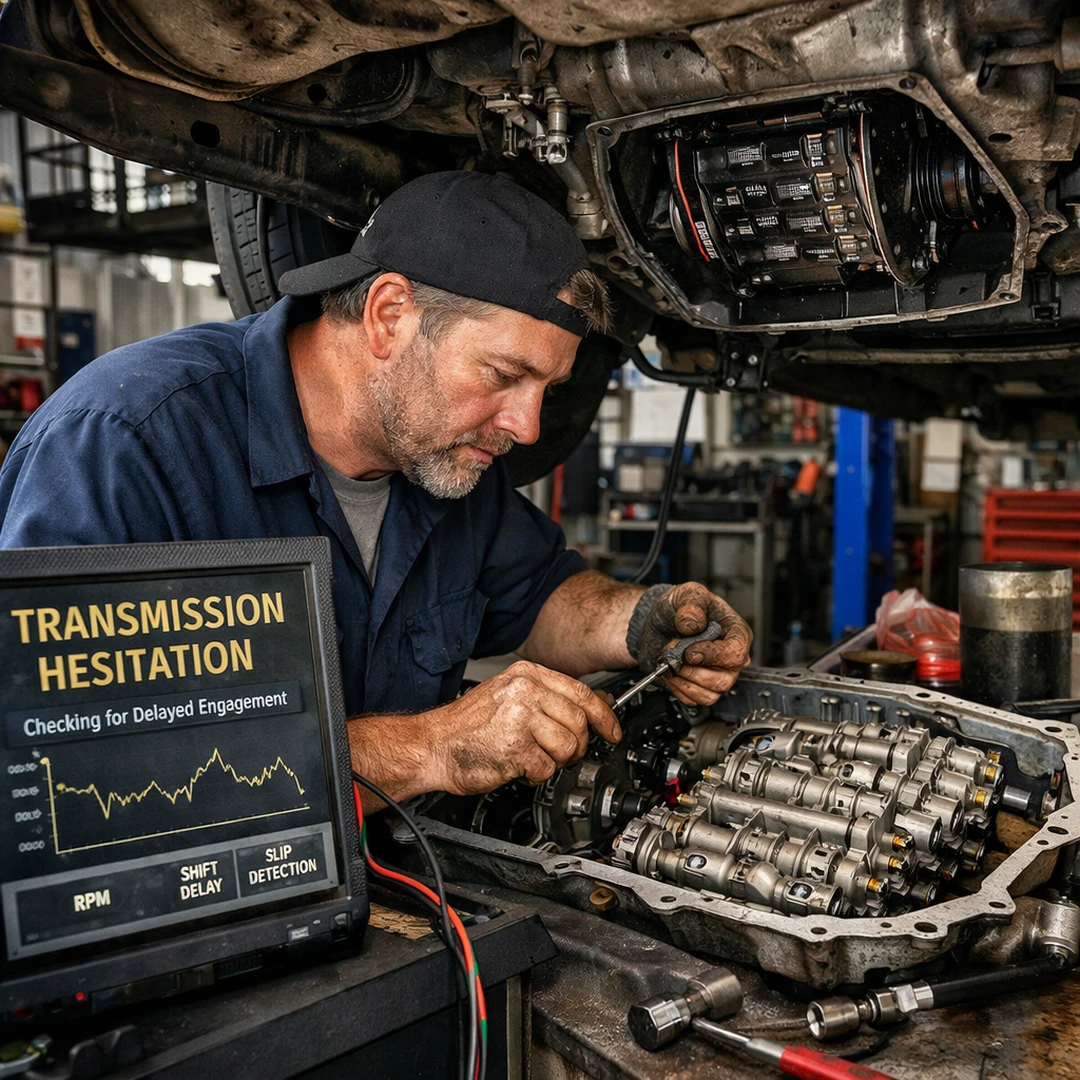
Transmission Hesitation — That Strange Pause at the Light
You press the gas. The car thinks about it. Then it moves.
It’s subtle at first. Almost easy to ignore. But once you notice it, you can’t un-notice it.
Why It Happens
Honda tuned the 2012 Civic’s transmission mostly for fuel economy. Which is great — until responsiveness gets sacrificed a little. The automatic and CVT versions sometimes hesitate when shifting or feel jerky at lower speeds.
It’s not always a failure. More like an awkward personality trait.
Still annoying, though.
What Actually Helps
A dealership transmission software update often improves the response. Many owners say the difference is immediate — smoother, quicker, less hesitation.
Changing the transmission fluid earlier than recommended can also help. Fresh fluid tends to calm the system down, like giving it a reset.
And sometimes… you just adjust your driving style without realizing it. A tiny pause before pressing harder on the gas. Funny how that happens.
Road Noise That Slowly Gets Louder Than You Expected
The 2012 Civic isn’t supposed to be silent. It’s a compact car. You expect some road noise.
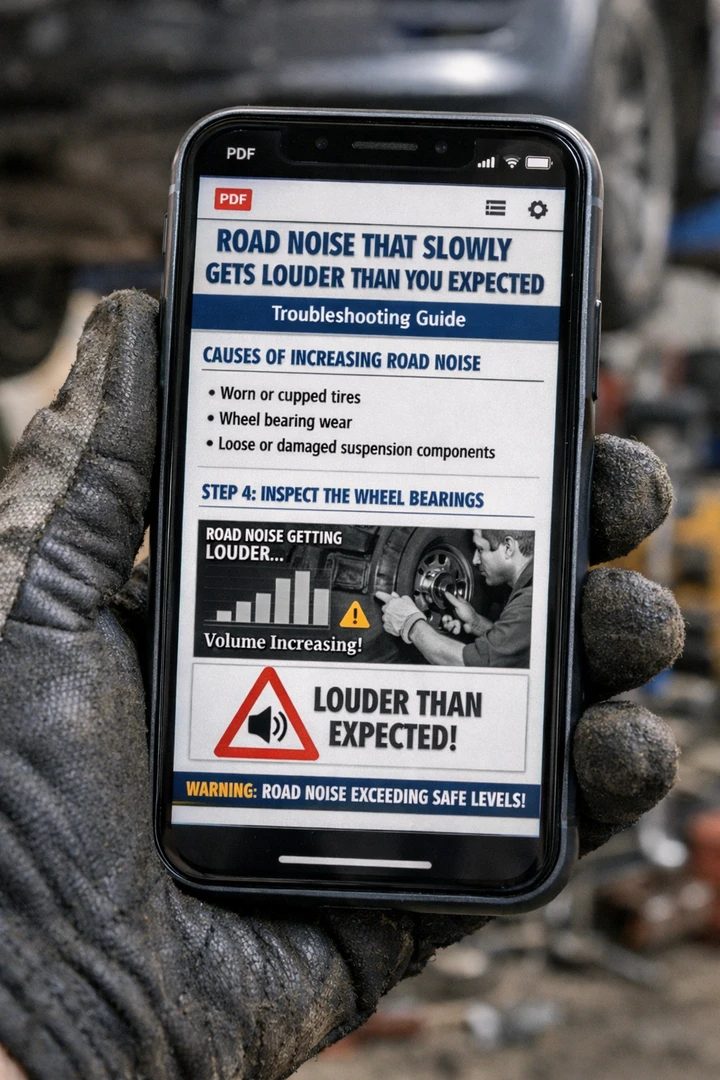
But sometimes the cabin feels louder than it should — especially on highways. The kind of noise that makes you keep raising the music volume until you wonder when that became normal.
Where It Comes From
Part of it is the original factory tires. Part of it is lighter sound insulation. Over time, tire wear makes the sound worse, and it creeps up so gradually you barely notice until one day you do.
What Makes It Better
Switching to better-quality tires changes the experience dramatically. Not a small improvement — a real one. The car suddenly feels calmer, more solid.
Wheel alignment helps too, especially if the tires are wearing unevenly. Some people even add extra sound insulation inside the doors, which feels a bit obsessive… but also understandable.
Silence becomes surprisingly valuable.
Paint Problems That Feel Personal
This one hurts a little.
You take care of your car. You wash it. You park carefully. And then the paint starts fading or peeling anyway. It feels unfair, like doing everything right and still getting the wrong result.
What’s Behind It
The 2012 Civic had some complaints about paint quality, particularly with darker colors. Years of sun exposure can lead to fading or clear coat failure faster than expected.
Mechanically, the car may be perfect. Visually, not so much.
Living With It — Or Fixing It
Minor fading can sometimes be polished out. Once peeling starts, though, repainting the affected area is usually the only real solution.
Parking in shade helps prevent further damage. Simple advice, but honestly one of the best things you can do.
Sometimes the fix isn’t technical. It’s just changing habits.
The Interior That Ages Faster Than You’d Like
You notice it gradually. A scratch here. Worn trim there. The dashboard doesn’t feel quite as solid as you expected.
Nothing breaks. Nothing fails. It just… ages quickly.
Why It’s Like That
Honda cut costs on interior materials for the 2012 redesign. They later improved it in future models, but this version kept the cheaper plastics.
It’s not dangerous. Just slightly disappointing.
What Owners Usually Do
Some people use protective covers or interior treatments to slow the wear. Others shrug and move on — because the engine is reliable, the fuel economy is excellent, and the car keeps working.
Priorities shift when a car refuses to die.
Brake Wear That Comes Sooner Than Expected
You replace the brake pads and think, Wait… didn’t I just do this?
You probably did.
Why It Happens
The Civic’s lightweight design and braking setup can lead to faster front brake wear, especially in city driving. It’s not a defect, more of a design trade-off.
Still, it surprises people.
A More Lasting Solution
Higher-quality aftermarket brake pads tend to last longer than the originals. Regular inspections help prevent bigger issues later.
Maintenance becomes less frustrating once you know what to expect. Expectations change everything.
The Random Battery That Suddenly Gives Up
One morning the car just won’t start. No warning. Just that quiet clicking sound.
It feels dramatic in the moment, even if the cause is simple.
What Causes It
Some 2012 Civic owners report battery drain if the car sits unused for long periods. Sometimes it’s just a weak original battery. Occasionally there’s a small electrical draw.
Cars, like people, sometimes lose energy without a clear reason.
The Simple Fix
A stronger replacement battery usually solves the problem. If not, checking for electrical drain is the next step.
And if the car sits often, a battery maintainer keeps things healthy. Not glamorous, but effective.
Living With a 2012 Honda Civic
Here’s the strange thing.
Even with all these little issues, people rarely regret owning this car.
The engine keeps going. Fuel costs stay low. Repairs are manageable. Most problems are inconveniences, not crises. The Civic asks for patience sometimes, but it gives reliability in return.
That trade feels fair to many owners.
Final Thoughts — The Quiet Loyalty of an Imperfect Car
Cars have personalities. Some are dramatic. Some are demanding. The 2012 Honda Civic is more like a dependable friend who occasionally annoys you but always shows up when you need them.
It hesitates sometimes. Makes more noise than it should. Shows its age in small ways.
But it keeps going.
And honestly, when a car does that year after year, you start forgiving the quirks. You even expect them. Maybe that’s what ownership really is — not perfection, just trust built slowly over time.
If you’re driving one now, you probably understand exactly what I mean.